
Clean Water for Healthy and Thriving Communities
Access to clean water and proper sanitation is a basic human right, yet many families in rural Uganda still struggle to meet this need. In some areas, women and children walk for hours to collect water from unsafe sources, exposing them to waterborne diseases like cholera and typhoid. Poor sanitation facilities worsen the problem, leaving entire communities vulnerable to illness and preventing children—especially girls—from attending school regularly.
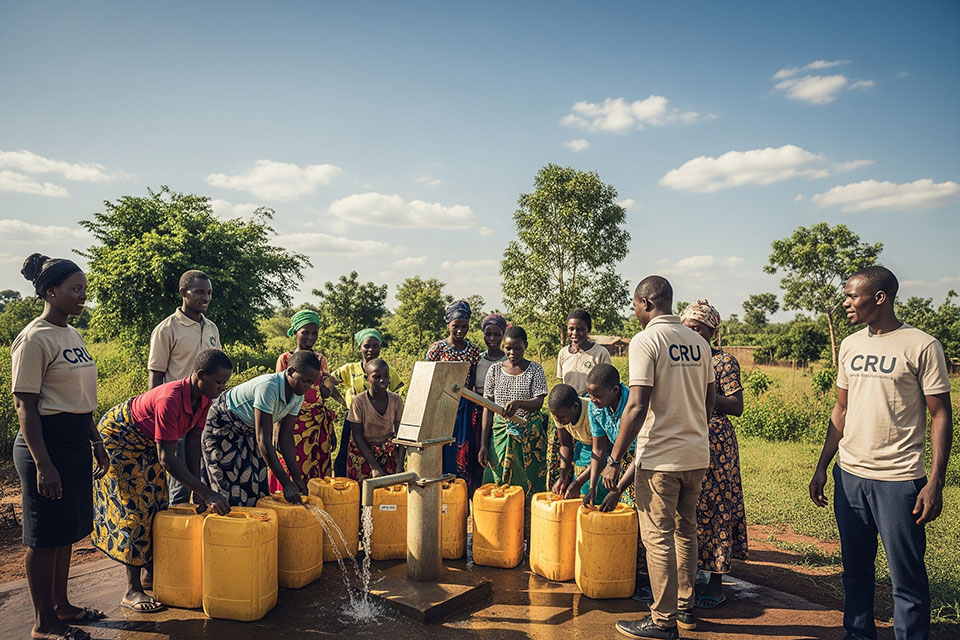
By providing sustainable water systems and hygiene education, we help communities break free from preventable diseases and reclaim valuable time for education, farming, and family life. Our approach is not only about infrastructure but also about empowering communities with the knowledge and tools to manage and protect these resources long into the future.
Clean Water Solutions
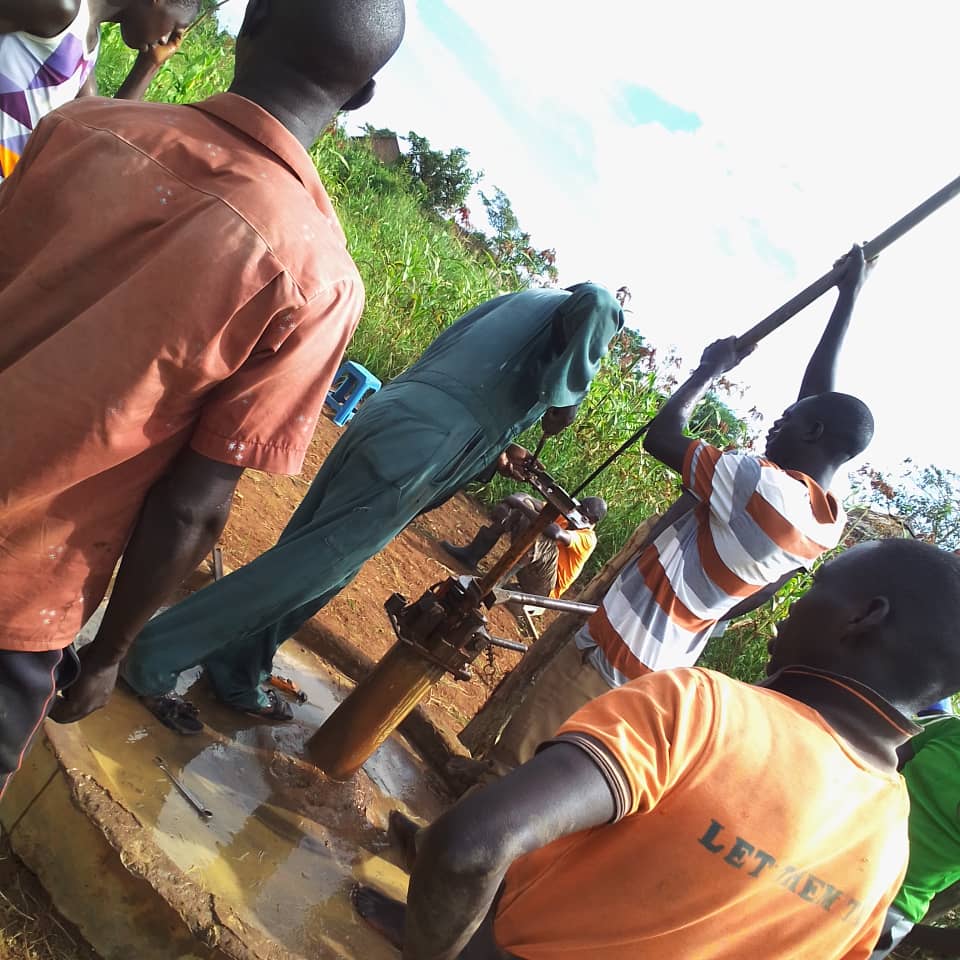
CRU supports the construction of boreholes, rainwater harvesting systems, and protected wells in rural and refugee communities. We also train local committees to maintain these facilities, ensuring they remain reliable and sustainable.
Hygiene & Sanitation Education
Through school programs, village workshops, and awareness campaigns, we teach practical hygiene practices such as handwashing, safe waste disposal, and menstrual health management. These small changes create lasting improvements in public health.
“Every drop of clean water changes a life. When a community gains access to safe water, it gains health, dignity, and the freedom to grow.”
.
Call Us Anytime
+256 -781-701-064
What Are the Benefits?
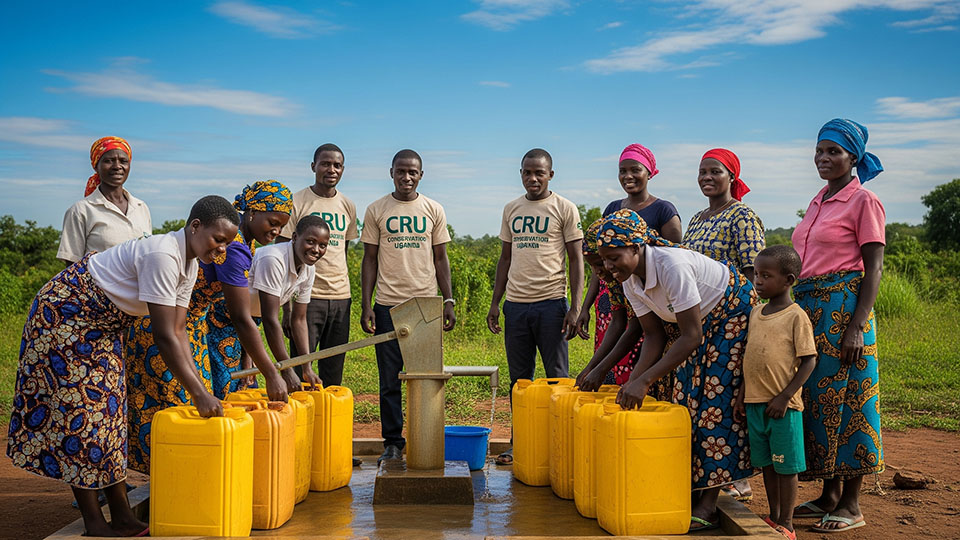
Water and sanitation improvements transform daily life. Health outcomes improve dramatically, children are free to focus on school, and women gain more time to pursue education or economic activities. Communities become more resilient, not only surviving but thriving with better opportunities for growth.
Health Benefits
-
Reduction in waterborne diseases such as cholera and diarrhea. -
Improved child and maternal health outcomes. -
Fewer school absences caused by illness. -
Health centers relieved of preventable cases.
Educational & Economic Benefits
-
Increases school attendance, especially for girls. -
Frees up time for women and children previously spent fetching water. -
Creates opportunities for families to focus on farming and small businesses. -
Builds dignity and confidence within communities.