Why Is Wildlife Conservation Important in Uganda?
Understanding the Role of Wildlife Conservation
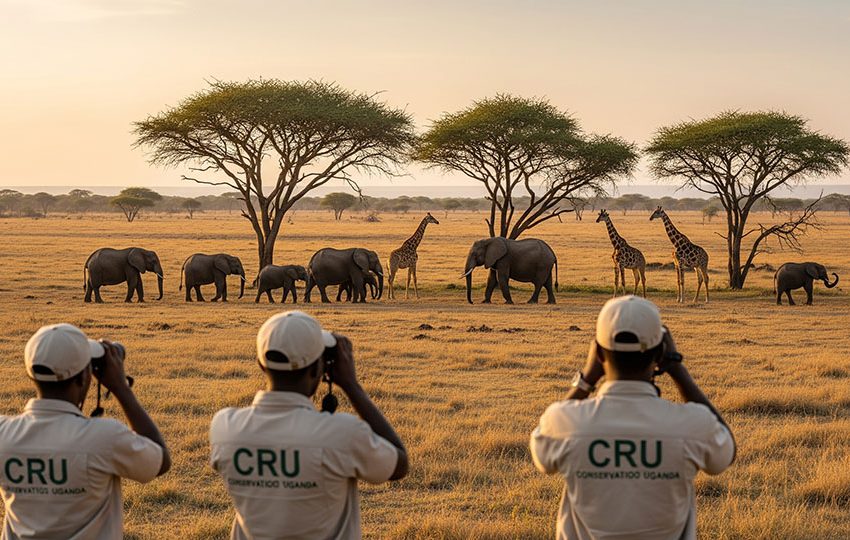
Uganda is home to some of Africa’s most unique species, from elephants and lions in national parks to endangered pangolins hidden in forests. These animals are not just part of the landscape; they are essential to maintaining healthy ecosystems. When wildlife thrives, forests and savannahs regenerate, rivers flow more sustainably, and communities that depend on tourism benefit from stronger economies. Protecting wildlife is not a luxury—it is a necessity for both biodiversity and human survival.
The Connection Between Communities and Wildlife
For many Ugandans living near national parks, daily life is closely tied to the natural world. Healthy wildlife populations support tourism, which in turn funds schools, health centers, and local businesses. Conservation programs also create jobs in eco-tourism, park management, and research. Beyond economics, communities gain cultural pride in preserving natural heritage for future generations.
Threats Facing Uganda’s Wildlife
Despite its importance, Uganda’s wildlife faces growing threats. Poaching for ivory, bushmeat, and animal skins continues to reduce populations. Habitat loss from deforestation and climate change further increases pressure. Illegal trafficking networks have turned animals like pangolins into high-value targets. Without consistent conservation efforts, many species could disappear within a generation.
How Conservation Efforts Make a Difference
- Training and supporting rangers to patrol and protect protected areas.
- Creating awareness campaigns in schools and communities about the value of wildlife.
- Promoting eco-friendly tourism that benefits local residents.
- Restoring habitats through tree planting and water conservation projects.
Summary
Wildlife conservation in Uganda is a lifeline for ecosystems, communities, and future generations. Protecting animals means preserving culture, securing livelihoods, and maintaining a natural balance that benefits everyone.
FAQs
What animals are most endangered in Uganda?
Species like pangolins, rhinos, and certain antelope face the highest risk due to poaching and habitat loss.
How does conservation help local people?
It provides jobs, supports tourism, and ensures resources like clean water and fertile land remain available.
Can communities take part in conservation?
Yes, many programs include training for farmers, youth, and local leaders to become conservation ambassadors.
